Ep27 Rich Bales: How to Move Upmarket, Build Stickier Clients, and Become the Glue in Your Industry

 RSS Feed
 In this conversation, Joe Blackburn, Jason Croft, and Rich Bales of Avanti Group unpack what it looks like to walk away from medical device sales, move to a new city, and build an insurance practice that operates nothing like what the industry is used to seeing.
Rich entered insurance during what agents were calling the hardest market in decades... and used it as a launching pad. While veteran agents panicked, he asked a simpler question: why are all these people so angry at their current agents? That question became the foundation of everything he built.
You'll learn how Rich used screen-recorded video walkthroughs to eliminate the "I didn't know what I was covered for" call and drive client retention to 99% in an industry that averages the mid-80s... why 400 coffee meetings in his first year created compounding returns he's still cashing in on... how he made the shift from home-and-auto to high-net-worth and commercial clients... and why the most valuable thing he delivers has nothing to do with insurance at all.
Joe breaks down the mechanics of moving upmarket without fear and why at every level of business, the product is the person. Rich shares how he organized an exclusive in-person event for 50 top-1%-mindset people, no agenda, and no sales pitch, which filled in under 48 hours and left a wait list of people he had to turn away.
And he makes the case that in a world racing toward automation, every system and piece of AI exists for one purpose: to free you up for the work that a computer will never be able to do.
Rich Bales 0:00
And you know they already trust that I know what I'm doing on the insurance side, but now they saw the value in my network, you know, that's the thing that can take us from small to huge in a hurry, because that can be replicated, and that can be replicated across markets, that can be replicated across team members with their own networks, yeah, it was, it was a home run. Welcome to The Lion's Edge, where top performers sharpen their teeth, hosted by Joe Blackburn, founder of The Lion, who is relentlessly dedicated to helping business owners lead multi million dollar teams, and me, Jason Croft. I transform unseen entrepreneurs into industry leaders by developing their market gravity. Each week we reveal proven strategies and raw insights to help you maximize your business, multiply your wealth, and make your family indestructible. Now let's create your edge.
Jason Croft 0:58
Rich Bales, welcome to the show.
Rich Bales 1:01
Thank you. Excited to be here.
Joe Blackburn 1:04
Well, rich, we're glad you are here. I'm glad you're here. Joe was, he was on the fence a little bit. It's mutual. I convinced him to let you come along, and as our three interview tradition goes here. I would love Joe, if you would kind of tee up who the heck Rich is here, and why. Why is he on this show right now? Well, the thing that always sticks out in my mind with Rich is he is a superstar, and they're rare, and what makes him a superstar isn't his good looks and God-given talent, which he has a lot of, but more than anything, this dude has a sense of urgency. He's relentless and fearless. I mean, makes big leaps of faith, is really, really concerned with the client welfare, which is in the insurance business, a big bonus when you actually care about people and his team, and I have never, and I've been doing this 100 years, I don't know, you can tell by the stubble I tried to grow, it's white, I was trying to look young and cool, didn't work, but I've never seen anyone move as fast and execute on building connectivity in a business is rich. I haven't seen it. I've been, I really have been doing this 30 years, and it, it's sheer will and the desire to always get better and learn, and he's super coachable, meaning yeah, sometimes he gives me shit. It's, it's now a thing, which I'm proud of, but he is humble enough to say, I want to get better. How do I do this? And then takes it and does something with it, which is an anomaly in the world. You know, we're drowning in information. It's everywhere. Most people don't go through the hard steps of transformation, which with little kids and business and teammates and everything, late nights, you know, rich. When did you finally start sleeping? Like two weeks ago, three weeks ago, month,
Rich Bales 3:07
yeah, it's still pretty hit or miss. Had a couple of three amers last week, so,
Joe Blackburn 3:10
so it's it's that rare quality of doing whatever it takes, and the sense of, I mean, if anyone takes anything away from this, the sense of urgency to be successful and not at the expense of others with others, so he's built something that's incredible in a short period of time, and I mean he's literally my poster child, like if you, if you want to see something that is doable and what it takes, talk to Rich.
Rich Bales 3:38
Thank you. I don't know if my ego can take that.
Joe Blackburn 3:44
I almost held back, but it could be dangerous. But, dude, you're.. I mean, you're one of those rare people that just do it, and I love it.
Rich Bales 3:53
Thank you.
Jason Croft 3:54
All right, Rich, now you gotta.. you gotta convince us Joe's right in this interview. All right, so you've got the Avanti Group insurance commercial family life down the list. There, walk us through that journey. What brought you here through that? Why insurance, and why have you been able to shine in that industry?
Rich Bales 4:15
Yeah, I mean, I think, I think, like a lot of people, my journey into insurance was in a very roundabout way. I don't think anybody grows up thinking, like, man, I want to be an insurance agent, that's not like one of those big, sexy, flashy jobs, but it's gonna be. No, I, I was always dead set I was going to be a doctor. I think as a kid that was like the thing I viewed as success, and so you know, I committed to it, and went through that whole process along the way. Stumbled my way into medical device sales, was really fortunate to be surrounded by the right people. Good timing grew in that really quickly. Got involved in some real estate investing along the way, and life just has this way of kind of showing you opportunity. And you got to make a decision, right, and so I looked at my life, you know, it's probably after I had had my first kid, is really the thing that kind of made me start looking at things from a longer term perspective, and I knew, like, hey, this grind of like living on somebody else's schedule and calls and whatever was not what I wanted my life to look like, and it really wasn't what success looked like to me anymore. So, yeah, my wife and I made a split-second decision and said, "Hey, we're going to quit our jobs, we're going to move from Omaha, where we were at, to Des Moines, and I was going to start from scratch. Ultimately, I stumbled away into insurance, just because the business made sense to me, you know, the same way real estate made sense to me, where you had an asset, you know, you have to sell at the end of the day, it has residual income, things like that, that jumped out to me as like, hey, I don't even care really what it is, but the business itself made sense, and I knew I could figure out whatever that looked like once I got into it, and then I think the beauty of it is when I got into it, it was such an antiquated industry. I mean, the average person doing it was on the way out of the industry, I think 6364 is the average age of an insurance agent today, and so I knew I had a skill set when it came to the technology side of things that could really allow me to scale more effectively and deliver a client experience that's not the standard in our industry. So that was really kind of the initial formation of like, hey, I think there's a massive opportunity here, and then I just had to figure out how do I go and execute on that.
Jason Croft 6:36
Did you find any barriers to that once you got in there? You're like, oh, this is why maybe it's so flippant, antiquated, you know, because of regulation or anything like that. Did you feel kind of trapped at all in the beginning?
Rich Bales 6:52
I mean, yes and no, you know. I think I think sometimes maybe we overcomplicated it a little bit. I think it really boiled down to just people get really comfortable, you know. It's like, whatever your dream is, right? If money was the only thing these guys were chasing when they got into the career, by the time they've, they've sat in the industry for 30 years, they're making a good living, they're not having to do a whole lot, and if they lose some clients, so be it. Whereas I think if you know if the goal was never just money and it was greatness and building something you can be proud of, I think that doesn't let that complacency sit there, because as I like identified the ways that we can improve the customer experience and improve our data and improve the ways we get out in front of things to be proactive, there really wasn't any resistance to it, you know, the hardest thing for anybody is going out and, and building a network, but to be honest, like, it's not complicated work, it's just work, and you got to do it, and I think that's the thing that a lot of us avoid, right, and so, you know, the timing of when I got into the industry was in the middle of what was considered like the hardest insurance market we'd ever seen, and so it was an interesting thing for me to be a brand new agent into the industry, and to really, I mean, really to be doing it on my own without any support, any, any guidance on where to go, and all the other agents I'd be talking to are like, man, the sky is falling, the sky is falling, the sky is falling, but ultimately that was what catapulted my career, is because it all it did was disrupt everybody who sat with an agent for 20 years and allow me to figure out, like, why are all these people so mad at their agents, and that was kind of the framework for where I said, hey, I've got time, because I'm not swamped with clients yet. How do I build a framework that doesn't allow these clients to come back pissed off at me? So, you know, there's opportunity everywhere, right? It's just you got to get good at turning things into opportunity, and maybe not just taking that pill that everybody else is taking, that you know this guy's falling. What is that framework, right? Like, what did
Jason Croft 9:00
you establish in there, and as you identified those, those pain points. So
Rich Bales 9:05
one of the things that I'm, I think I'm most thankful for from my time in medical device sales, is the company I was with. I mean, we went through all the massive formal sales trainings that everybody else did, but the company I was with really hammered home the education process. It was tough when I started. I was 21 in medical device sales, trying to sell to orthopedic surgeons. Right, so you can imagine these guys are all tip of the sword, top of their class, very type A alpha people. And when a 21 year old rolls into your office, there's a lot of that, like, buddy, you're in your stripes, get out of here. So my way in the door there, a lot of times was, well, I, you know, I wore a full suit when everybody else wore scrubs, and I studied literature, and I showed up and would challenge them on things that most people wouldn't challenge them on, but the heart of all that was I would teach them something, right, and if I could teach them, like, hey, here's a. Procedure, you can bill more for here's a procedure that will make you more efficient, better patient outcomes, whatever. Now I've given them a piece of value that has nothing to do with me just selling them a trinket. That was one of the first things I identified in insurance, is the way, and I guess to take a step back, when I first started, all I did was home and auto insurance, and the thing I realized really quick is it was so commoditized that everybody was used to consuming it, where somebody just emails them a quote, and the one number they understand was a price at the bottom of it, but when we started realizing, like, man, people are calling me pissed off after these claims, because wind and hail had shifted over the Midwest, where everybody was getting crushed, and every call we got was people going like, oh my god, I got screwed on a claim. I didn't know that my roof wasn't fully covered. I didn't know my deductible is this high. I thought, you know, this is the perfect opportunity to educate people, and so, you know, not knowing anything, I said, well, like, I'll jump on a call with you, and we'll talk through the quotes. But where I ended up with that is then all of a sudden, what time does everybody get off work? They get off five, 6o'clock I'm eating dinner with my little kids, and now I'm back into that trapped feeling. So, I was like, there's got to be a better way. And a good friend of mine, in a completely different industry, showed me this app he was using, where he could do screen records and walk people through things. So, I was like, you know what, that's a perfect opportunity for me to, instead of just delivering something the same way I can record a video for every one of these quotes that walks them through line by line, what it means, what it costs, what their options are, when they would use it, and I can rip out 10 of these over lunch, and they can watch it on their own time, and that was like the first turning point where we started getting feedback, where they're like, oh my god, I've consumed insurance my entire adult life, and I never knew any of this, and the vast majority of time when we put all of those coverages on there, people were going, you know, what we want, we want the higher coverages, because in the event of a claim, we don't want to get burned. That was really big for me. And then the other problem that we really identified was when it came time for renewals. A lot of these people without technology and things like that, they would, you know, just wait for people to call pissed off, and I wanted to be more proactive than that. So I paid for a software that would track people's rates for them, and if there was a big rate jump, we were going to know a month before it renews. We were proactively contacting them, letting them know what options we had, whether it be better, worse, you name it.
Rich Bales 12:25
And so now our retention went from, you know, the industry averages in like the mid 80s, we were in 99% people didn't leave, you know. I think what that tells us, and I think it's true of, you know, financial services, it's all these things, is like a lot of times it's not really necessarily the performance, it's communication around it, and so, how do we proactively communicate, and so those two things were like the initial thing that I was like, "Wow, we can do this completely different just by adding in a couple pieces of tech that make it more personal, and it's really not that much more work, honestly, it saves us time doing it that way. And then from there, it really extrapolated, we, we took that into the high net worth space, we took that into the commercial space, and now we've taken it into the middle market commercial space with larger companies, and we've, you know, continually added tech and AI's made it better, but, you know, the heart of it was people want to understand and people want to be communicated with, and that was, you know, like I said, it's not complicated, it's just work, so that's that's sort of been the, you know, the philosophy we've lived on and continue to develop, but as simple as that seems, it's really set us apart, and you know, we tell people every day, I'm happy to share the formula. It just takes somebody going out and actually implementing it and executing it.
Jason Croft 13:36
Working with Rich Joe, what were some of those steps along the journey as part of the lion and different growth opportunities that you saw to say, like, oh, love what you're doing, consider this, this, and this. What were some of those moments?
Joe Blackburn 13:57
Well, the, the most poignant one, and Rich alluded to it, is it doesn't matter if it's a, you know, a couple that has a home and auto and a life policy, or a company that has 400 employees, mechanically he's got that down, and he's a problem solver, as you can see, and as you go up market, the problems are just much bigger, and I think Rich found this out, and I'm hearing it. Most of the people in that world, they don't know what they don't know either. It's not like there's a because you're super successful, you have a different lens. It's I'm even actually more busy making decisions, bigger dollars, bigger risk. And Rich, in the beginning, was like, I got to service this segment of the market, which is great, but now he's hired people to do that, because he can help people at a much higher level and bring them real value, and not just sell them something, and you know, if you think of insurance, sometimes has a bad name, meaning it's just somebody trying to sell me something. Well, he's actually building relationships, so he's great at that. At, and that's, you know, it's like kind of, you have these epiphanies when you start realizing I can communicate and help anyone. It's my motive is to help people, and Rich takes that to heart. So, I'm going to dig in versus sell you - those are two different things. And if it doesn't make sense, I'm pretty sure he just says you're fine where you're at. But getting rich to see the bigger opportunity was the first thing we worked on. Like, dude, you can do this at a high level here, that means you can do it at a high level here. And that's where he is now. It's like, I'm going to take my skill set and help a bigger subset on bigger problems. And you know, the marketplace doesn't lie, you're compensated on value, and if mechanically it's the same, you should do the most for the most, meaning I work hardest for the people that I can do the most for, and therefore my value translates back to me in revenue at bigger dollars, because I'm solving bigger problems, and a lot of us in the beginning have a fear of the unknown, so it's like, well, I'm not sure, I don't know all this, you know, there's there's that component, and that's why most people stay where they are. Rich just took the lid off and said, I'll help all these people, and then I'm going to actually build networks with them to help them, I'm going to put them in touch with the right people, I'm going to make their lives better, I'm going to build something that is above me on a product, because I say this all the time, the product is you, so if you're super valuable in making the right connections and you're resourceful within the marketplace, sky's the limit, and that's what I meant by speed. It didn't take him two years to figure that out. It was like, oh, I just go and do this, okay, I'm gonna go do that, and then do it, and it's been, I mean, sky's the limit, brother, and we both know it, and what you're doing in the community, whether you make a sale or not, your impact in that community is immense, and it's a pretty awesome place, like, you know, the Silicon Prairie of Des Moines, some people like, what, go there, it's a pretty cool place, and I just, so what we're always looking at is how can we help bigger opportunities get what they need and deliver on what we say, and that I, again, I'm gonna say this, probably 100 times as podcast, no one's been as fast to that segment as Rich has been. Most people spend their time worrying about what if they look foolish, or what if I make a mistake, or what if they don't like me? And he just said that's possible, I'm just gonna go do it. Yep.
Rich Bales 17:30
Well, I think you know one one thing with that that was super eye opening for me is, you know, I felt like when I started out just doing basic hominidos, I was like, wow, like, the thing that was filling my cup is, I was like, "Wow, I'm creating all this value by educating them and by being proactive about renewals. But what I learned really fast is the further up market I went, the more value opportunity I had for these people to introduce them to my network, because you think just because somebody has 20 $30 million dollars, that they must have this robust network of 10 out of 10 people, but the more I poked and prodded and found all of those things, they didn't have people they were comfortable with as attorneys and financial advisors and, you know, commercial bankers and business brokers and all these things, and when my, you know, we didn't even touch on it, but my focus that first year I had 400 coffees, and I didn't care who they were. I just wanted to understand why other people were successful, and I figured I was like, you know, if I get, if I get through these 400 coffees and I can take one little nugget away from all these people, I'm gonna be pretty damn good at what I do. And so that was the thing that I think allowed me to move so fast, is I gained all of this insight from all these other people and implemented it, and then all of a sudden, you know, the insurance process was a thing that I was extremely confident that I could execute on, you know, there was never a question in my mind that I had that part down, but the thing we communicate to all of our clients once they're onboarded is like, hey, the most valuable thing I have is my network, so let me make sure all these people in your network are now a 10 out of 10, and if they're not, I'm going to make an introduction, and if they are, I want to meet them. And then those clients, now that we've built this entire team around them, are so much stickier, because it's not just, well, that's the guy that does my insurance, and I talked to him the one time, it's no, this is a guy that built the structure around my entire life, and you know, now there's much more of a relationship there, because we know all these other professionals that are supporting this same client, and I mean, I feel like that's the thing that's really allowed me to move faster and realize, like, hey, I do have connections that are meaningful to people from, you know, all the way from the bottom to the tippy top of the sphere, and there's no reason why, why we shouldn't have a seat at the table.
Joe Blackburn 19:48
I want to point something out for the people in the cheap seats. Rich did 400 that means he did more than one a day, because he probably didn't do them on Sundays, maybe not even Saturdays, and there are people out there that won't go do. One, because they think it's silly or a waste of time, or they're not going to get any, they're not going to get anything from it. So they go in with the mindset, if I'm going to go, you know, spend my precious time getting to know someone, I better get something. That's not how he approached it. He said, I'm going to go learn something. So the speed on that is 10 times faster than everyone else, because the motivation was I'm gonna go learn and connect, and not just be about me, you know. Law reciprocity is pretty real, it's like gravity, so doing more than average, and probably 20 times more than the average bearer with a, you know, a busy home life and a business that's growing rapidly is what I was talking about in the beginning. I mean, I know there's people that it's like, hey, can you get two coffees this week, and they can't - they can't say, hey, I'd like to meet for a cup of coffee, like that sentence, hey, I got Tuesday morning at 8o'clock available, would you want to grab a cup of coffee? Well, that's how you have to - it's giving of yourself first before you even expect anything, and that's a rare, the rarity on that is amazing. And most people tell themselves, I don't have time, I don't have time to do that bullshit. Yep, you have time to do what's important, so make something important.
Rich Bales 21:16
Yep, I think it's an ego thing too, right? Like, I think I think the world of social media and all these things have made people think, like, man, I deserve, you know, there's all the things you should be hopping jobs, you should be getting paid this much, you should be doing whatever, like, the reality is, when you first start, and it's funny, I saw this on social media, like, you need to grab a big spoon and plan to go eat some shit, like, it just is what it is, and I came from an industry where you know, talking to my peers, I would have been perceived as very successful, and it would have been really easy for me to walk into this industry with an ego and been like, well, I've got this established sales career, but the thing I realized is I, I was a nobody, right, and so the only way that I got from that to somebody was I had some stuff to learn, and it was okay, and I was gonna go, you know, we always joke around the hills, right, and that was just a part of the routine, and the only way to do it was to get through the work, and I think so many people get in their own way, like you said, because they expect to get something back, but for me it was all just planting seeds, right, if every day I plant a seed, at some point I'm gonna have a lot of trees, so that was that was always the motivation. It wasn't, you know, I think you just can't expect this immediate return on everything you do, and I think a lot of people get in their own way with that. I think it is that mindset first, which you both have touched on, because that's massive. I mean, the compounding effect of 400 coffees in the first year, right? People look at day by day and week by week, and instead your mind just is already like, I'm gonna get, not get through these, but I'm just, I'm doing these, no matter
Jason Croft 23:00
what. So, there's that mindset piece, but walk us through the mechanics a little bit of organizing all this stuff, because the idea of being that connector and somebody who connects these high net worth individuals to a bigger, stronger team of 10s, that's great in theory, is when it comes to the day by day and being intentional with it. What are some of the mechanics to make sure that you're connecting those folks and maintaining them, nurturing them? Is it all just up here?
Rich Bales 23:40
No, there's not a whole lot of room up there. No, it's I'm a, I'm extremely systems-based, and a lot of that is thanks to Joe. I mean, I, I had like the theories in my head, I was working out of a lot of spreadsheets and things like that, trying to track these things, so that first year all I had was a spreadsheet, and I would drop a name into it. I would have a date that I first met with them, and then I would input a bunch of other dates on there. I would say, okay, one day later, here's the date I'm supposed to say thank you, and I would always try to be like, you know, just a quick thank you, whatever. A week later, I'd follow up and try to add some value, so it was, if it was a piece of tech, it was an introduction I can make for them. If it was whatever it could be, I always wanted to be the first one to deliver some sort of value to them. After that, I'd wait two weeks, reach out, check in on them, seeing what's going on, see if they did anything with the thing I gave them. And then a month later, after that touch point, I either made a decision where I was going to meet with them again, and that was when we would really like solidify, you know, our working relationship, or I was going to go, you know, what I've given the value I can, but I think we're, you know, we're not chasing the same things, and so I still use that today, but you know, the world of Claude, and all these things have made it much more trackable, and then you know, implementing Joe. Those pillars system that's made like the relationship side for my existing relationships a lot easier for me to be live in it and check each day and have a system that monitors it and know like is my frequency right, do I need to change things, stuff like that, because you're right, like it's so it's so easy to get lost in what you're in in that moment and forget, like, wow, you know, this guy's actually really important, does all this great stuff for me, and, but I'm not even taking the time to proactively call him and check in, or do something, so yeah, in my world, you know, my brain is so packed full of stuff that everything has become a system, even from, like, our client side, like, the, you know, there's, there was a point in time where I didn't need a CRM, because there weren't that many clients, and then all of a sudden there were a ton, and we needed to know exactly where everybody was in the pipeline, and if there were things that my system could take off my hands to communicate or follow up, or whatever, that's that's what was needed, and so I think continually honing in those systems to make sure that you know what needs to be done by a human is done by a human, what can be done by a computer can be done by that, but you know the piece of it that can never get replaced, and I think all this talk about AI is that relationship thing, right? Just yesterday we had an event with, with 50 people in the room that were all over the board - business owners, investors, private equity, you name it. AI will never do that, and it will never break bread. It'll never grab drinks. It will never connect 50 people in a room. So, while I'm a huge believer in the tech side, and the, you know, the programs and all that stuff, the purpose of those is to free me up to do the stuff that a computer or a system can never replace. So, super systems-oriented, but for the purpose of letting me do what I'm best at, which is the type of thing we did yesterday.
Jason Croft 26:46
That's the beauty of all the tech and the AI is to facilitate that number one, but also it just makes that all the more valuable as we get more and more tech enabled and AI-ified across the board, that's huge. Walk us through that event yesterday. What was.. how did that come about? How did you orchestrate that?
Rich Bales 27:10
Yeah, so I had done one similar one on a smaller scale, and the first one was really.. I got a friend who owns a custom home building company, his homes are sick, and so I just had an idea, and I was like, hey, it was his personal house. I was like, what if we just hosted a little event at your house? He's got a golf simulator, the whole thing. What if I just bring a bunch of people that I think are winners, and we hang out, and we'll see what happens? And it was a hit. I mean, just all these people would have never taken the time to go meet, you know, a home builder would have never met with a guy who owns a porta potty company, who would have never met with these guys who buy apartment complexes, who would have never met with guys who own franchises, but what I see as the connector of all these people is like you all think the same way, you're all chasing the same things with the same mentality, like why would we not put you together and let you, you know, sink, and so that's when I was like, okay, I think we can do this at a different scale, you know, more of a commercial location. And so I got lunch with a friend, and I think this was, I think this, this was when we were at our last in-person jail, is kind of when it came about, and I stepped out and just called my buddy who owned the restaurant. I was like, 'Hey, I think I have an idea to grab lunch when we get back. And you know, it wasn't industry specific. It had nothing to do with insurance, but I was like, 'I want to create this exclusive experience for top one percenters, and that doesn't mean top one percenters in income or anything like that, but I want top one percenters from a mindset perspective, people who are moving the same way, chasing the same things, and so funny enough, I use AI, and I'm like, hey, I'm telling it all about the all this about this event, create me like a little thing I can text out to people, an image, and it names it the inner circle, which is so funny, because that's one of Joe's,
Joe Blackburn 29:03
of course,
Rich Bales 29:04
you know,
Joe Blackburn 29:04
Claude's it just
Rich Bales 29:05
shows that Joe's a genius, um, or he's behind Claude, one of the two, um,
Joe Blackburn 29:10
probably both,
Rich Bales 29:12
yeah, so so it does it, and and I sent it out in a way that was somewhat discreet, where I said, hey, I'm not sending this to very many people. I'm going to cap it. Do not share this on social media. Don't go run around and tell just anybody like this is the specific type of person I want to be at this thing. Yeah, and there's not going to be any agenda. I just want you guys all to meet each other, and you know, we're going to cap it at 50 people, even though the restaurant probably could have held 100 and the feedback was crazy. I mean, we filled up in less than 48 hours. We had a huge wait list, and we had to tell some pretty important people no. But I think there's beauty in that, right? It created some exclusivity around it. The people who were there were extremely grateful to be in the room. I mean, the feedback we got was was fun. Phenomenal, and outside of just a quick announcement, and thank you, and like a vision behind what the night was, we didn't do anything, you know. Nobody, nobody wants to show up to an event and have somebody give a big insurance lecture, right? You know, they want to figure out how do we get better, but the thing that most people struggle with is they go, how do I get in a room with 50 other top one percenters, and for myself, if that happens to be my skill set, that I can connect people and get people to do that. Now I'm the glue behind it, and you know they already trust that I know what I'm doing on the insurance side, but now they saw the value in my network. You know that's the thing that can take us from small to huge in a hurry, because that can be replicated, and that can be replicated across markets, that can be replicated across team members with their own networks, and yeah, it was, it was a home run.
Jason Croft 30:54
That's fantastic. Yeah, I love that. Is there a promise in that, beyond, hey, you just, you should know the other people in this room. Is there any kind of more thesis to it that you presented to these folks?
Rich Bales 31:07
Yeah, so I mean, I, for pretty much all of them, I like, once we have the list established, I kind of help them, going, hey, when you get in this room, you need to meet this guy, this guy, this guy, I'll make sure to get you guys introduced, things like that, because the goal is, you want, you want people to come and have value, right? Like, the goal isn't just to drink really good old fashioned and try some food. I wanted to make sure that the people who really make sense for them in their world, they got introduced to, and you know, if, if somebody's standing there a little bit awkward, those are the guys that we're grabbing and pulling them in, and even if we don't know if it's going to make sense with that type of crowd, virtually everybody can talk to everybody and find some value, so you know, really, really, my entire night was just grab this guy, introduce him to this guy, make sure you guys meet, talk, grab a coffee, and then you know, same thing will be for me. This is my next 50 coffee meetings, right? Is like, let's get feedback on the event, let me know who you need to follow up with, let me get you connected, and I'm not doing anything related to insurance, right? I'm in the people business, not necessarily the insurance business. You know, there's money to be made there, there's relationships to be had there, and you know, ultimately, in our selfishly, in our community, there's a ton of impact we can have across all these different businesses that benefit the people that live where we live. That wouldn't happen if we didn't pull them together.
Joe Blackburn 32:22
It's the art of pillars. This is like, if you look at the world right now, some people have gone under the assumption that I can make my sales process like a factory, or I can make my life regimented through systems and artificial intelligence, where, like, I do this, I do this, I do this. You see gurus online who sell things online in that manner. In the real world, though, this is the creativity and the art of what you're doing, is what's going to carry you forward, because the factory stuff is going to be automated. So, if you're going to provide real value, you're going to have to be creative and facilitate what Rich is alluding to, is I want to be the person that helps and facilitates the connectivity, so that we can all benefit. It's so it's not self-serving, and you said the key word, it's I'm in the people business. The product is actually me, my ability to add value and connection is what people are going to benefit from, and doing it in that manner, where you have some guard rails, and that lets people be more of themselves and be more connected, is brilliant, and it's good for them, because they probably aren't going to take the time to do that, so if you have the capability and the creativity to do this, it's actually probably one of the best things, if not the best thing, you can do for the entire community. I love it. I actually started a mastermind called the Inner Circle, kind of like that. It's weird, that's great, but good idea, crazy. But the thing that I really want to drive home is this is a selflessness act, because if you went in and let's say you popped out for 15 minutes and did a sales presentation, you just killed all the goodwill. This, this is the, it's like faith, I'm just going to do what's right and what's good and what's helpful, and I believe in the law that if I do all those things consistently and create this, I don't have to worry, I'm helping people get what they need, that'll take care of me and my family and everything else, and I don't have to go the route of the factory stamp direct sales, which only appeals to a certain segment of the universe, and most of those people aren't the people you're talking about, so how do I do, how do I glue this together for the people that really need it? I think it's fucking brilliant.
Rich Bales 34:47
Yep, and I think the, you know, the further up market we go, right, the further, you know, the high I would say the people who are perceived as more important, right, those are the people where this applies, and that factory thing. A, it's especially in my business, it's a reality, like the bottom 20% of our market, we are going to have to get extremely efficient and make it extremely efficient to work with us, and those people don't want to get invited to something like that, because all they care about is nothing goes bad in a claim, they understand it, I mean, it was easy to get it done, and so we have optimized that section of our business, and that's fine. That is a volume-based business, it's easy come, easy go. I think we're doing it differently there still, but when we shift into that top 10% of the market, those are the people that don't have the opportunity to be in a room with 50 other people that move like they do, because it's not, it's not convenient to throw an event with 50 people, and they, they're running companies, they're doing all these things, so if we can make it again really easy for them to have access to that and be the glue behind it, we've now protected ourselves in a market that is, you know, shifting to that factory style stuff, and now we're on an island, we're the only ones doing it that way, and so I think you know it's a preservation thing for our company, and you know the revenue we bring in, and you know, and it fills my cup, right? It's what I like doing. I don't want to sit on the computer and type away all day, so yeah, it's been.. it's been a huge blessing to have this concept of pillars implemented into my life, and in my business again. We hear the talk of, you know, go build an audience, you know, in the, in the parlance of online and content creators, and all this kind of stuff, and build an audience, and you can do whatever. This is the real world, in-person way higher value local to me version of that, where if now you're you want to go start selling commercial real estate tomorrow and aren't doing insurance or something completely different, that's an easy pivot, right, because you've, because you're in the people business, and people want to, oh, what do you, you're doing something different? Tell me all about it. I want to hear. Right, you've brought so much value, and if you're doing it, absolutely, let's have a conversation. And again, that's that. Back to that 400 coffees versus I don't have time for a coffee today, that thinking that's that long term, where you look up in five years, and oh, wow, look at this world I've created, instead of, oh, let me try to get another $3 lead today. I think that's that's that's massive. Yeah, absolutely. Yeah, I mean, it's the commitment to the same boring thing every day for a long time, right? We tell.. I've told my recruits this when I was in medical device sales. I tell them now, if you want to be in the top 10% if you show up every day and kind of give a shit, you will be better than 90% of people in this world. But you got to be able to do the same thing over and over and over and over and over again until it works, it's not complicated, but you gotta do it,
Joe Blackburn 38:06
and now it's fun, like you said, it feels exactly now I get to do what I like when I like with who I like, and everybody prospers, everybody wins, families, businesses, people, you ever, it's all it's just winning at the highest level, I'm, I mean, I might package this up and try and sell it. Oh, wait, it's a good idea. Well, here's a thing that just keeps coming up over and over. It's not about rich, it's about them. That's the big, like, it at the core of this, and sometimes I have to press on it, like, dude, you got to get something too, but it's like, dude, this is about them, it's, it's so, so rare, and I mean, quite frankly, I'm proud of a lot of people, I've never been more proud of anyone than I am of you. Thank you. Just keep being a superstar.
Jason Croft 39:02
You're welcome. We've had a lot of conversations around this idea of pillars and how to do this. It's great to get the story and the picture and the real life embodiment of it all along the way in these interviews that we're doing. It's. it really brings it home and makes just makes it a lot more tangible, because there is that art piece of it, like you mentioned, Joe, that is that human connection right alongside Rich. What you were talking about is the day in, day out. This is the boring crap, but this boring crap, this tech, this AI, all of it lets me get to the art and lets me get in front of those 50 people and orchestrate a room. I mean, that's I'm right there with you, like that's heaven, right, to be in that room and orchestrating and meeting and seeing, like that's that's oxygen.
Rich Bales 40:00
I appreciate you being here. How do people get in touch with you? Who needs to get in touch with you? All that good stuff. Yeah, I mean, you can find me on virtually any social media, really active on LinkedIn, specifically. I think that's a great way to track me down, but you know, I, I've shifted, I've shifted who I think needs to get in touch with me quite a while ago, where forever I said, well, if you know, if you run a big business, get a hold of me, and yes, still do, but if you feel like you're a top one percenter mentality, whatever it is you do, I think that's a person I want to have a conversation with, whether that be based on insurance or just based on what you do, I think there's a ton of value to be shared. So find me on LinkedIn, shoot me a message, love to connect, fantastic. All right, lions, there's your edge.
Jason Croft 40:47
You've just experienced the lion's edge. If this episode lit a fire, if you're ready to push past your current ceiling, there's more waiting for you. Want to see what it takes to become a member of the Lion, visit jointhelion.com to discover how successful entrepreneurs become unstoppable forces. And make sure you never miss an episode by hitting subscribe wherever you get your podcasts. This isn't just content, this is your edge.
Speaker 1 41:21
This show is powered by media leads. Tired of being overlooked in your industry? Learn how market gravity can transform you into the leader everyone's talking about by going to Media Leads co.com
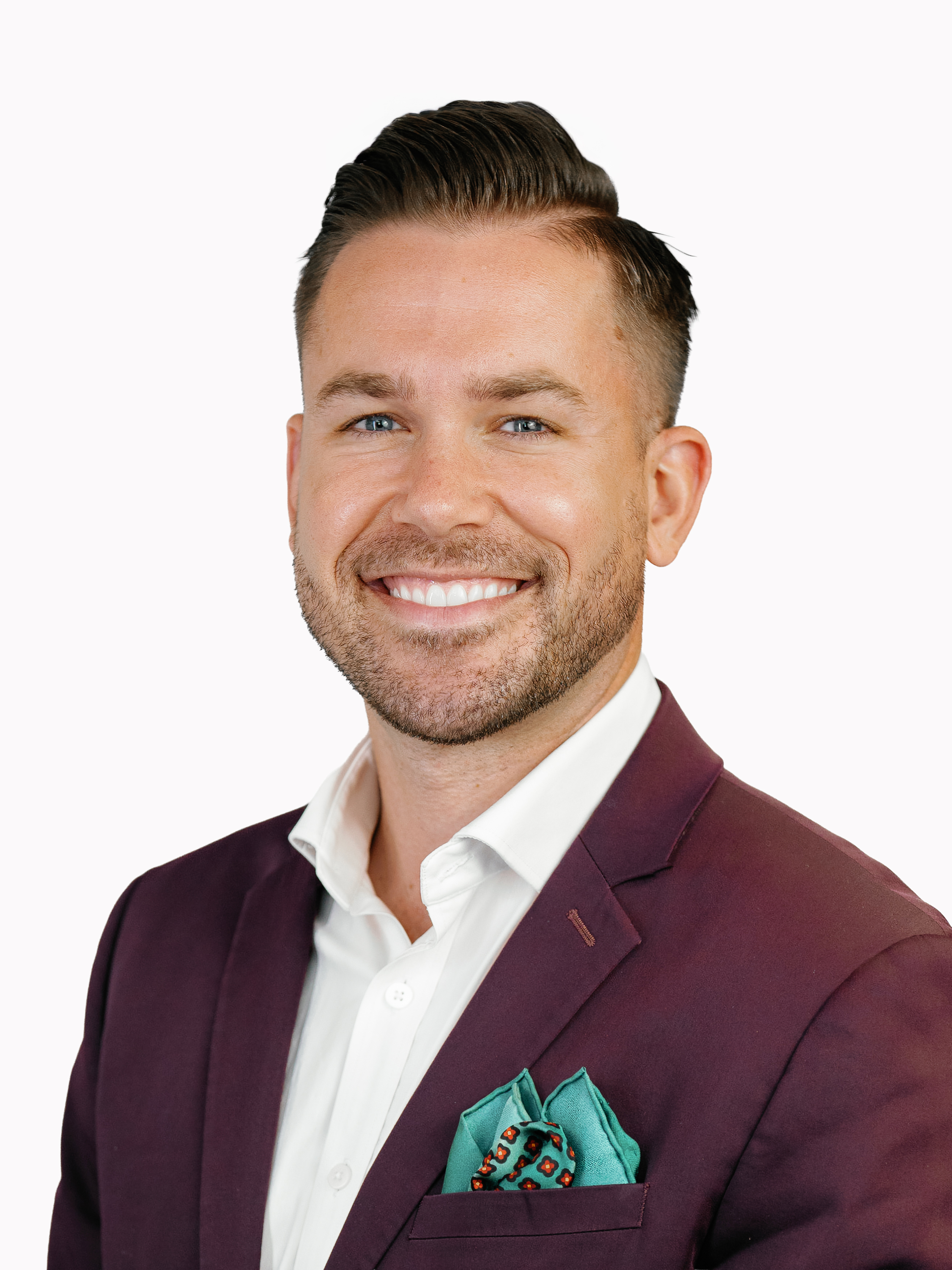
Owner - The Avanti Group
Rich Bales is the founder of The Avanti Group, an independent P&C insurance agency in Johnston, Iowa. A former Division I athlete at Iowa State and nine-year veteran of orthopedic medical device sales at Arthrex, he now helps mid-market business owners and high-net-worth homeowners get clarity before coverage through his proprietary BRD™ and RRA™ frameworks. He lives in central Iowa with his wife Jaclyn and their two daughters, July and Vienna.